What’s the Best System for Kenyan Homeowners & Small Businesses?
Off-grid vs Hybrid Solar Systems
Off-grid vs Hybrid Solar Systems
Picture this: you’re halfway through preparing dinner when—bam!—a blackout hits. Or maybe you’re running a small business in Nakuru (or anywhere in Kenya) and the unreliable power grid is costing you customers. Sound familiar? That’s the reality for many Kenyan households and business owners. The good news? Solar energy offers two solid solutions. In the battle of off-grid vs hybrid solar systems, which one wins?
Let’s break it down in simple language to help you make the right choice for your needs, budget, and lifestyle.
What Is an Off-Grid Solar System?
An off-grid system operates completely independently of Kenya Power. It’s like living in your own little energy island. This setup uses solar panels and batteries to generate and store power for 24/7 use—perfect for rural areas where there’s no grid at all.
What Is a Hybrid Solar System?
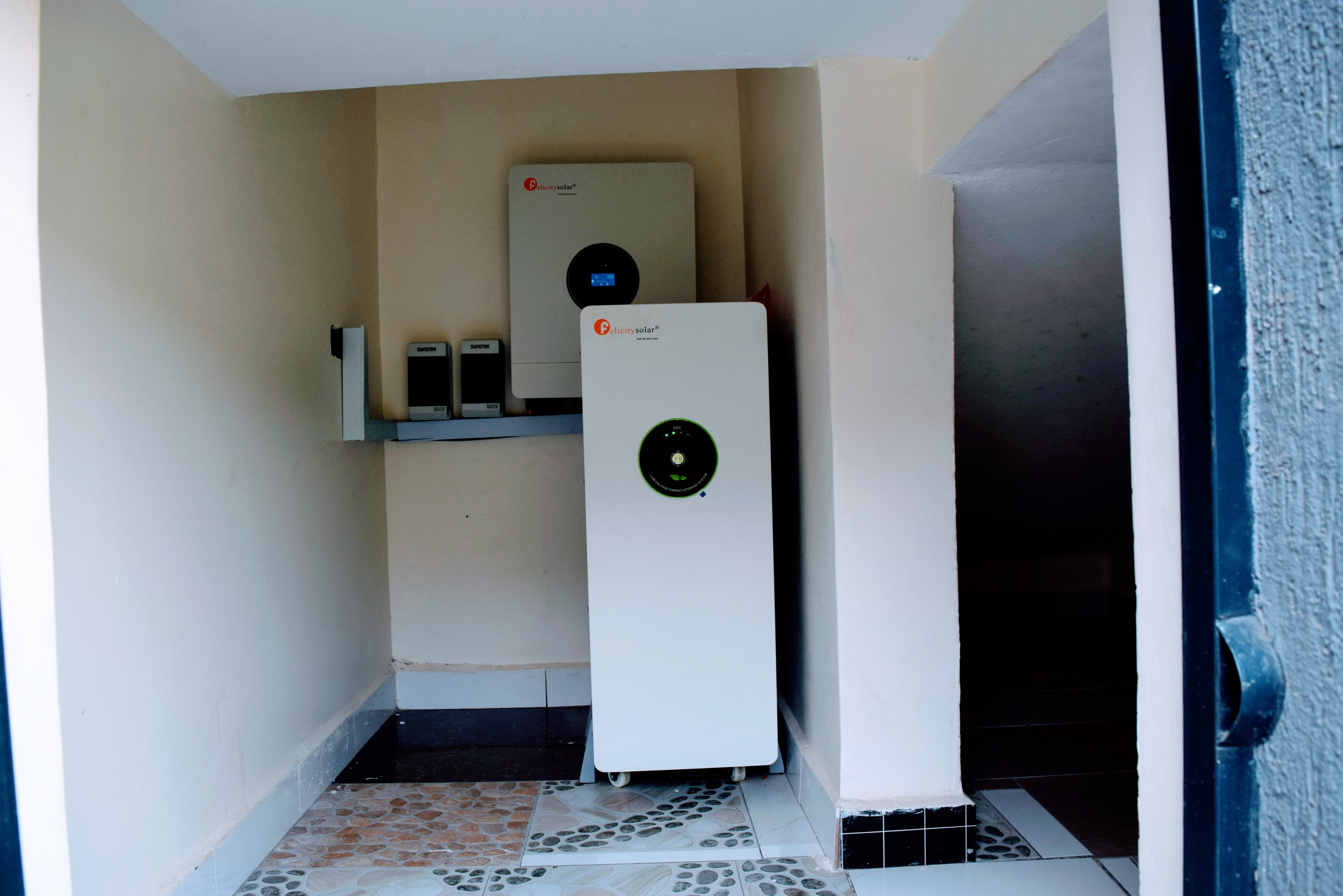
A hybrid system gives you the best of both worlds. You still generate solar power but remain connected to the national grid. So, if your solar can’t meet demand—say on a rainy day—you automatically draw electricity from Kenya Power.
Key Components of Each System
Off-Grid System
- Solar panels
- Battery bank
- Inverter (DC → AC)
- Charge controller
Hybrid System
- Solar panels
- Battery bank (smaller)
- Hybrid inverter
- Grid connection
- Smart meter
Energy Independence: Who Wins?
Off-grid systems take the trophy for total independence—no outages, no KPLC bills. But with great freedom comes great responsibility: you manage all your energy needs yourself. Hybrid systems provide flexibility, letting you switch between solar and grid power.
Electricity Reliability in Kenya
Blackouts are common in many parts of Kenya. Hybrid systems shine in urban areas where the grid exists but is unreliable, while off-grid systems are a must in rural locations with no grid access at all.
Cost Comparison
Initial Investment: Off-grid costs more upfront due to bigger battery setups. Hybrids are cheaper initially.
Maintenance: Off-grid requires more frequent battery replacements. Hybrids usually have lower ongoing costs.
Battery Storage
Lithium batteries last 8–15 years, while lead-acid only 3–5 years. Lithium is becoming the preferred choice in Kenya due to its efficiency and lifespan.
Savings on Electricity Bills
Hybrid systems can cut bills by up to 80%. Off-grid users skip electricity bills entirely.
Government Incentives
While Kenya doesn’t yet offer tax credits, solar components are duty-free and VAT-exempt. Net-metering is being piloted, which could make hybrids even more attractive.
Which System Is Best for You?
Ask yourself: Do I have grid access? How often do blackouts happen? Am I after savings or independence? The right choice depends on your lifestyle, location, and energy needs. Either way, you’re taking a bold step toward clean, reliable, and sustainable energy.
FAQs
1. Can I upgrade from hybrid to off-grid? Yes, with the right equipment you can scale up.
2. How long do batteries last in Kenya? Lithium: 8–15 years. Lead-acid: 3–5 years.
3. Is solar reliable during rainy seasons? Yes, though production drops—batteries and grid backup help.
4. What happens at night off-grid? Your battery kicks in—so battery health is key.
5. Do I need a permit? No for residential setups, but use licensed installers.
Ready to go solar?
For a professional solar assessment and installation services, reach out to us today.
Phone: 0722 785 707